Adventure Sports in Canada – Are You Covered?
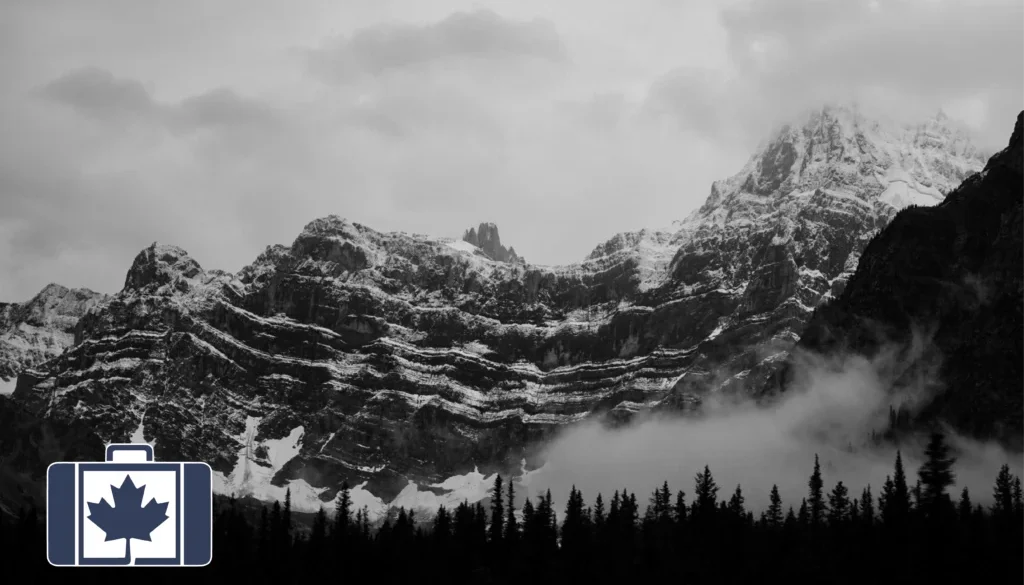
From its peaks waiting to be climbed to its winding coastal roads waiting to be cycled, Canada is a dream destination for adventure-seekers. That dream trip on the water or in the mountains can turn on a dime into a financial nightmare because of an unexpected injury. Although Canada has universal healthcare for citizens and permanent residents, it does not cover non-residents, who must pay medical expenses out of pocket. Before you pack your skis or hiking boots, let’s talk about how adventure sports are covered for visitors in Canada.
Key Takeaways
No Free Healthcare for Visitors
- Visitors aren’t covered by Canada’s healthcare system and must pay out of pocket for all medical bills and emergency evacuations.
Standard vs. Extreme Coverage
- Basic recreation is typically covered, but high-risk or backcountry sports require a specific Sports & Activities add-on.
Follow the Rules
- Venturing into closed, off-limits areas or participating in excluded sports will void your policy.
Verify Your Itinerary
- Coverage varies by provider. Always read the policy wording to confirm that your specific activities are explicitly covered before travelling.
Canada’s Adventure Playground: Coast to Coast
Canada offers a diverse range of adventure sports, including hiking, climbing, cycling, and fly fishing, but there are some sports more popular in some provinces and territories than others:
- Known for year-round mountain activities such as hiking, climbing, mountain biking, skiing, and snowboarding in places like Banff, Jasper, and Whistler.
- A hub for water sports, hiking and camping, all scattered throughout massive provincial parks.
- The go-to region for unique experiences like dog sledding, deep wilderness access, and viewing the Aurora Borealis.
Key Considerations for Sports Insurance in Canada
Visitors to Canada are not covered by Canada’s universal healthcare system. Whether it is a minor illness or a broken leg from a skiing fall, the recipient pays the medical bill. Here’s a breakdown of how much that broken leg from a skiing fall would cost:

Some of Canada’s best adventures take place in remote locations. Medical costs can be $10,000 to over $50,000 higher if an accident in one of these remote locations requires helicopter extraction, search-and-rescue support, or specialized air ambulance transport to major trauma centres. Even Canada’s universal healthcare system does not fully cover these emergency medical evacuation costs or ground emergency services for residents or non-residents without private medical insurance. Learn More
Pro Tip: Purchase your medical insurance before leaving for Canada. If you purchase your policy after arriving in Canada, insurers typically impose a 48- to 72-hour waiting period before your full coverage kicks in.
Standard vs. Optional Coverage: Know the Difference
Most standard plans automatically cover common, lower-risk recreational activities. With TuGo, for example, you are covered for basic hiking and skiing on marked trails right out of the box.
Optional Add-on: If your itinerary includes high-risk, extreme, or organized competitive sports, you typically need the “Sports & Activities” optional coverage add-on.
When You Need a Sports Add-on
- Backcountry skiing/snowboarding
- Downhill freestyle skiing/snowboarding
- Organized competitions
- High-risk snowmobiling
- Motorized snow biking
- Ice climbing
- Downhill mountain biking
- Mountaineering (with options for up to or over 6,000 meters in elevation)
- BASE jumping
- Parachuting
- Skydiving
- Tandem skydiving
- Hang gliding
- Paragliding
- Wingsuit flying
- Scuba diving/free diving over 40 metres
- Class VI white-water sports
- High-risk motorized speed activities (including motocross, dirt biking, and motorized racing)
- Mixed martial arts
- Boxing
- Organized team sports (Including American/Canadian football, rugby, and ice hockey
- Applicable to travellers 21 and older
Note: Sports officials, referees, and coaches do not need to purchase this add-on for coverage.
The “Hard No”: Excluded Sports and Voided Policies
Even with an extreme sports add-on, certain high-risk activities are completely excluded from coverage. This includes:
- All rodeo events
- Barrel racing
- Bull riding
- Bronc riding
- Chariot/chuck wagon racing
- Steer wrestling
- Trick riding
- etc.
- All rodeo events
Breaking the Rules: Your coverage will be voided if you participate, practice, or train in areas closed to public access. Crossing fenced, gated, or roped-off areas marked off-limits by safety authorities means you are entirely on your own if an accident happens.
Real-Life Impact: Trevor’s $200,000 Canyoning Accident
Nineteen-year-old Trevor slipped and fell 50 feet while canyoning, fracturing his foot and back, which required immediate spinal surgery. He required a 7-day hospital stay and an extra 6 days in a motel to recover enough to fly home. His provincial health plan covered less than 1% of the bill. Because he had added Sports & Activities Coverage to his emergency medical plan, TuGo covered a staggering $202,103.80 of his medical bill, saving him from life-changing debt. Learn more about TuGo’s coverage
Frequently Asked Questions
Don’t Leave it to Chance
Adventure enthusiasts should never assume coverage, as it varies by provider. Always read and understand the full policy wording, and contact an insurance broker directly to confirm that your chosen plan explicitly lists and covers all planned sports and activities. Then, enjoy your adventure in Canada!